
A 60-second look
at your pet's health.
Eyes, ears, gums and paw pads — an at-home visual wellness check from a single photo. This tool helps you notice what to watch for — not replace a vet visit.

🌎 Proudly made in Australia, built for pet owners across the globe
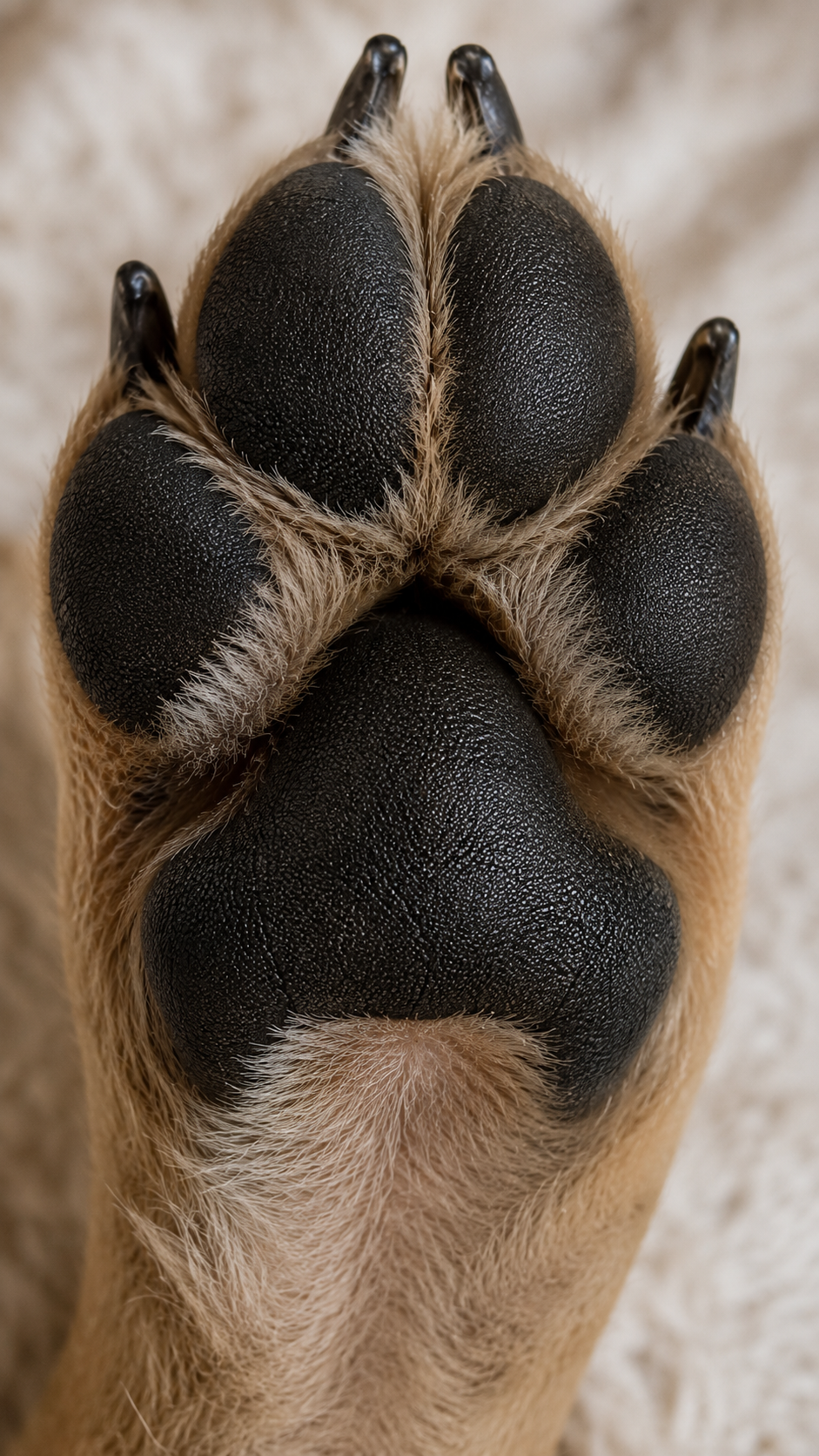
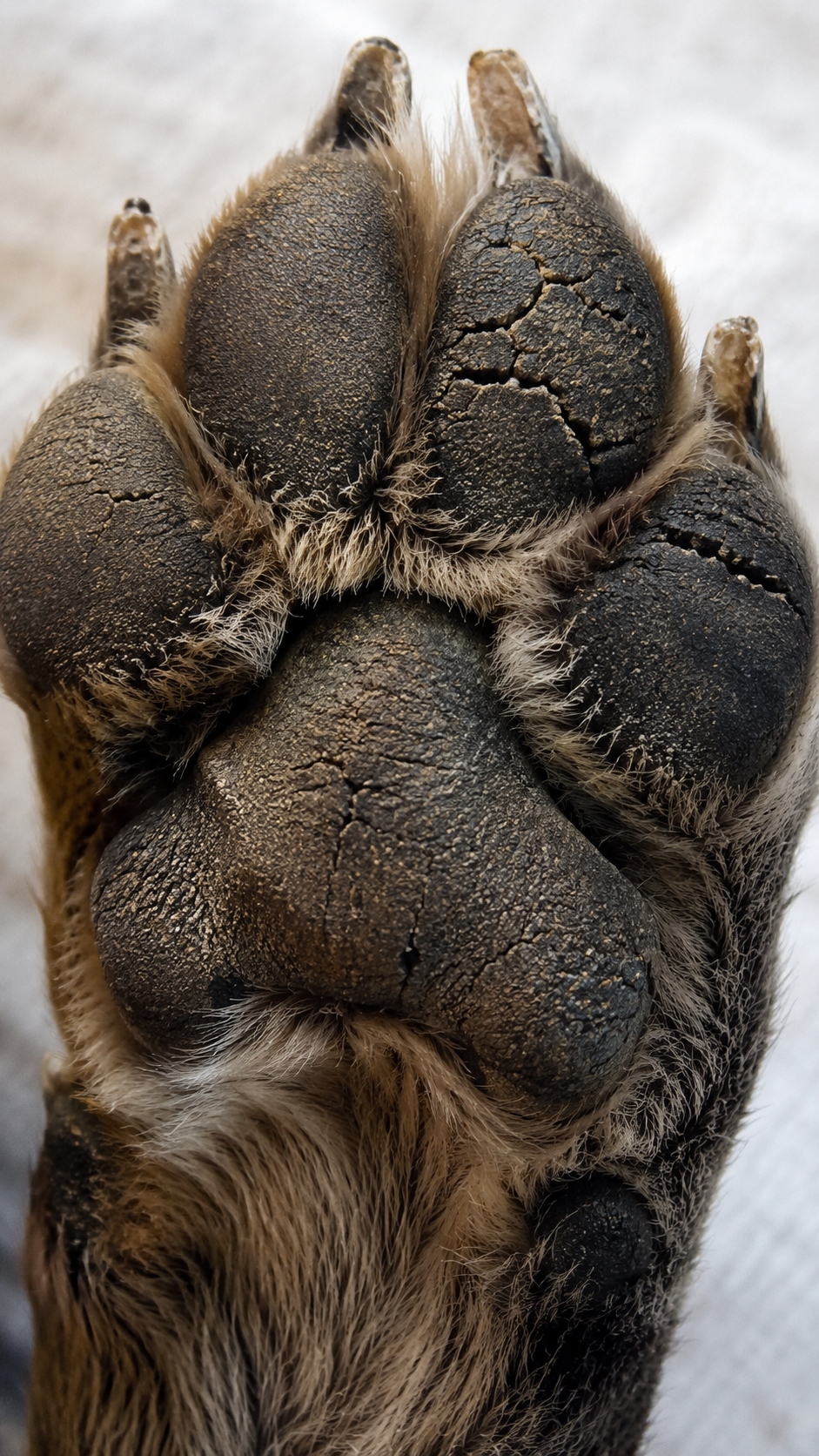
Begin your pet wellness scan.
Only the whole-dog photo is required. Add what you can — both eyes, both ears, all four paws — for a sharper read.
Whole-dog photo required. Add close-ups of eyes, ears, gums and paws when you can.
6 quick inputs — breed, age, weight. ~30 seconds.
14-vector wellness scan against veterinary research.
Free preview. Full vet report optional.
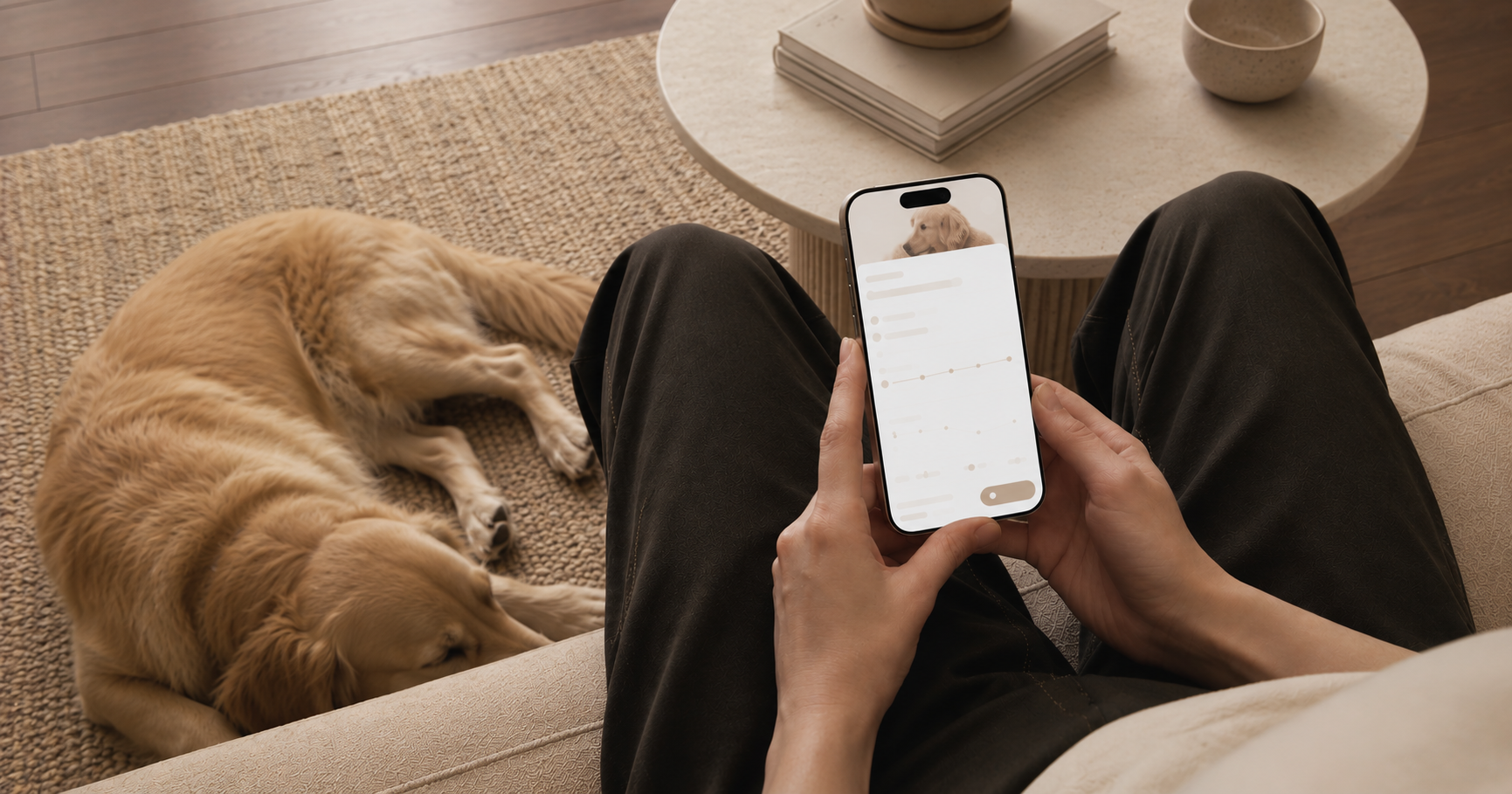
Your dog scored
above the breed average
on their visual scan.
The Scan Score is a visual screening score out of 100 — not a health diagnosis. We compare it against other dogs of a similar breed and age, and these comparisons keep improving as more dogs are scanned.
Among the higher-scoring dogs in this breed group · updates as more dogs are scanned
“Primary risk markers concentrate around the ears and dental line. Recommend targeted at-home cleaning and a 6-week recheck.”
A look inside the full vet report.
Scan is a visual screening tool, not a diagnostic service. Results should not replace professional veterinary advice.
Visual screening score — not a health diagnosis
Based on visual screening data only.
Your dog scores above the typical range for dogs their age (5 yrs) on this visual scan.
Visual observations only — not a veterinary diagnosis.
Coat quality and ocular clarity look above-average for the breed and life-stage.
Mild tartar build-up noted on upper canines — worth at-home dental care.
Something to keep an eye on: ear hygiene routine and a 6-week wellness recheck.
Unlock the full report + vet consult.
Scan's 14-vector breakdown, Scan protocol, life-stage simulator, and longitudinal tracking — plus a 10-minute Dial A Vet consult with a veterinarian/veterinary nurse.
Scan results are for informational purposes only and do not constitute veterinary advice, diagnosis, or treatment. Always consult a licensed veterinarian for medical concerns.
Why does this work?
The clinical science behind analyzing four key anatomical regions to evaluate your dog's systemic health — the same triage protocol veterinarians use in the first 60 seconds of any physical check-up.
The Science Behind the Scan
Veterinarians use a process called "Triage and Visual Inspection" during the first 60 seconds of any physical check-up to assess a patient's core physiological health status (MSD Veterinary Manual). This app replicates that baseline clinical assessment. By analyzing micro-changes in the tissue, vascular networks, and moisture levels of these four key regions, our computer vision model evaluates critical systemic markers:
The Canine Vitality Index
While individual scores track localized issues, the Vitality Index (0–10/10) is a predictive metric evaluating your dog's systemic resilience, metabolic energy, and functional biological reserves. It does not just measure the absence of disease; it calculates current vitality based on four core physiological pillars:
By cross-analyzing the precise color hex codes of the mucous membranes (gums) and the tissue of the inner ears, the algorithm checks for optimal oxygen delivery and healthy blood flow.
By evaluating eye clarity, pupil symmetry, and posture responsiveness, the index screens for basic mental alertness and central nervous system integrity.
By tracking overlapping visual signs of redness (erythema) or swelling across both the ears and the interdigital paw spaces, the system calculates whether your dog's immune system is actively fighting off chronic environmental or internal stressors.
The model evaluates the physical moisture reflection on the gums alongside skin elasticity markers around the head and neck to estimate cellular fluid volume.
This multi-variate approach mirrors the clinical guidelines set by the World Small Animal Veterinary Association (WSAVA) Global Veterinary Guidelines, which emphasize using systemic, non-invasive visual biomarkers to evaluate a patient's baseline wellness, nutritional status, and functional longevity.
When your dog's data points are synchronized, the Vitality Index acts as an early-warning triage matrix. It highlights if a dog with "seemingly normal" outward behavior is actually experiencing sub-clinical fatigue, low circulation, or hidden systemic stress before overt symptoms develop.
A dog's mucous membranes (gums) provide a direct, unpigmented window into their cardiovascular system. Changes in color (from vibrant pink to pale or dark red) and texture (moist vs. tacky) indicate changes in perfusion, blood oxygenation, and fluid balance.
Studies confirm that Capillary Refill Time (CRT) and mucous membrane assessment are directly associated with central systolic blood pressure, skin turgor, and acute patient physiologic scores (Journal of Veterinary Emergency and Critical Care, 2021).
Dehydration, anemia, systemic shock, and early-stage periodontal disease—the number one hidden disease in adult dogs affecting up to 80% of pets (Journal of Veterinary Dentistry).
The ocular system is highly vascularized and directly linked to the central nervous system. The sclera (whites of the eyes) and conjunctiva react instantly to systemic inflammation, allergies, and changes in cranial pressure.
Visual inspection of the ocular structures serves as a key triage indicator for identifying localized ocular trauma, systemic immune-mediated diseases, and systemic infections (MSD Veterinary Manual).
Environmental allergies, corneal micro-abrasions, systemic infection, and early signs of jaundice or hepatic distress.
The canine ear canal is an L-shaped, warm, dark environment highly susceptible to rapid changes in pH and cellular debris buildup. Visual inflammation (erythema), swelling, and abnormal discharge are immediate indicators of an overgrowth of yeast or bacteria.
Clinical diagnosis of otitis externa relies heavily on the visual inspection of the ear pinna and external canal to catch erythema, ulceration, and ceruminous discharge before stenosis occurs (Canadian Veterinary Journal).
Deep ear infections (otitis externa) before they progress or risk damage to the tympanic membrane, earmite infestations, and underlying food or environmental allergies which frequently manifest in the ears first.
Paw pads are highly specialized, keratinized skin structures packed with blood vessels and sweat glands. Obsessive licking, cracking, erythema, or swelling in the interdigital spaces are major indicators of localized pain, pododermatitis, or circulatory shunting.
Modern veterinary imaging research demonstrates that computer vision and object detection models can successfully identify and classify canine pododermatitis and paw lesions through rapid digital image analysis (Veterinary Dermatology, 2023).
Interdigital cysts, severe contact allergies, deep pad cracking/infection, and localized inflammation that leads to chronic lameness.
Scan results are for informational purposes only and do not constitute veterinary advice, diagnosis, or treatment. Always consult a licensed veterinarian for medical concerns.

A real vet, one message away.
Your full report includes a complimentary telehealth consult with the Dial A Vet team — qualified vets and vet nurses. No appointment pressure, no extra cost. Just message us on WhatsApp with your code and chat through your dog's results whenever you're ready.
Every full report comes with a one-time consult code — your key to a free telehealth vet consult.
Send your consult code to our WhatsApp. We'll instantly recognise that you have a free consult on your account.
There's no rush — claim your consult whenever suits you. Every part of the consult happens right there in WhatsApp.
Track wellness over time.
Monthly scans build a high-resolution map of your dog's wellness trajectory — surfacing changes earlier than any annual check-up.
Questions, answered.
Everything you need to know about Scan, your report and your free vet consult.
Begin your dog's
first scan.
Sixty seconds. One photograph. A complete preventative health snapshot.